Manitoba Safety Inspection: What Your Vehicle Must Pass (and How to Prep for It)
If you’re buying or selling a used vehicle in Winkler, bringing a vehicle into Manitoba, or getting a rebuilt vehicle back on the road, a Manitoba safety inspection is an important step. It confirms that the vehicle meets the province’s minimum safety standards at the time of inspection.
For local drivers, the process can seem uncertain. What exactly does the inspector check? Why do some vehicles fail? And is a safety inspection the same as a complete mechanical inspection?
This guide explains what to expect in plain English, including the main inspection areas, common failure points, and practical ways to prepare before bringing your car, truck, van, or SUV to a certified inspection shop.
When a Manitoba safety inspection is required
A Certificate of Inspection, or COI, is generally required when:
- The registered owner of a vehicle changes
- A vehicle is brought into Manitoba from another province or jurisdiction
- A vehicle has been repaired after being declared salvageable
- The vehicle is ordered or required to undergo an inspection
For a typical used vehicle purchase, the inspection confirms that the vehicle meets Manitoba’s basic equipment and performance standards. A valid COI is required before a newly acquired vehicle can generally be registered in Manitoba.
Certain commercial vehicles also require periodic inspections. For example, some heavier trucks, trailers, buses, rental vehicles, and regulated passenger vehicles must be inspected on a regular schedule. If you operate a work truck or manage a fleet in the Pembina Valley, it is important to know which inspection requirements apply to your vehicles.
Manitoba Public Insurance provides more information about Certificates of Inspection and periodic vehicle inspections.
What a certified Manitoba safety inspection covers
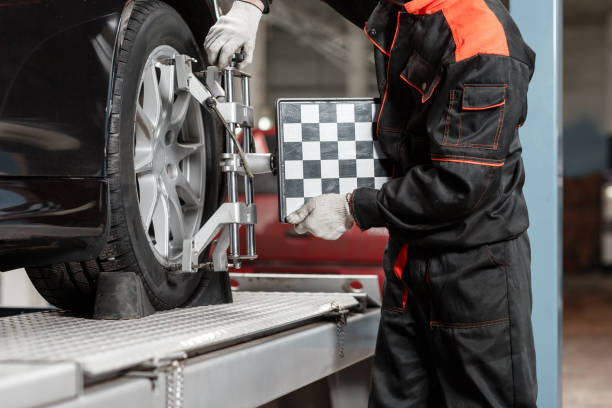
A safety inspection is not simply a quick walk-around in the parking lot. A certified inspector checks specific vehicle systems against provincial standards. The goal is to identify conditions that could affect safe operation on Manitoba roads.
Brakes and parking brake
Your service brakes must work properly and provide safe, balanced stopping power. The inspector may examine the brake components, hydraulic system, lines, hoses, and overall operation.
The parking brake must also hold the vehicle securely. Common brake-related reasons for failure include:
- Severely worn brake pads or shoes
- Damaged, cracked, or excessively worn rotors or drums
- Hydraulic or brake fluid leaks
- A parking brake that does not hold
- A soft or unsafe brake pedal
- Missing, broken, or insecure brake components
If your vehicle pulls to one side while braking, vibrates through the pedal, or makes grinding sounds, it is worth arranging brake service before the inspection.
Tires and wheels
Tires are your vehicle’s contact with the road, so their condition matters in every season, especially during rain, snow, and icy Pembina Valley driving.
The inspection checks for adequate tread, proper fitment, and serious damage. Tires may fail inspection if they have:
- Insufficient tread
- Exposed cords
- Bulges, deep cuts, or serious sidewall damage
- Severe or uneven wear
- An incorrect size or load rating
- Contact with the body or suspension
Wheels, wheel studs, and lug nuts must also be secure and free from serious cracks, damage, or corrosion. If the steering wheel shakes or the tires are wearing unevenly, the issue may involve alignment or worn suspension components rather than the tire alone.
Lights and electrical equipment
The inspector checks the lights and related equipment needed for visibility and communication with other road users. This commonly includes:
- Headlights, including high and low beams
- Brake lights
- Turn signals
- Hazard lights
- Tail lamps
- Required marker and licence plate lights
- The horn
A burned-out bulb is a simple repair, but damaged lenses, wiring faults, poor connections, or misaligned headlights can require further diagnosis. Checking all exterior lights before your appointment is one of the easiest ways to catch a potential problem early.
Steering and suspension
Steering and suspension systems help you control the vehicle and keep the tires planted on the road. Manitoba’s inspection standards look for excessive looseness, damage, or wear in components such as steering linkages, tie rods, ball joints, springs, shocks, struts, bushings, and control arms.
Common failure points include:
- Excessive steering wheel play
- Loose tie rods or ball joints
- Broken or damaged springs
- Worn bushings
- Leaking or failed shocks and struts
- Components that are loose, cracked, or insecure
A vehicle that wanders, bounces repeatedly after a bump, or clunks over rough roads may need steering or suspension repairs. Regular inspection is especially useful after pothole impacts or a long Manitoba winter.
Exhaust system
The exhaust system must be securely mounted and free from serious leaks. Holes or loose sections can allow exhaust fumes to enter the passenger compartment, creating a safety risk.
Modified exhaust systems may also create problems. Straight exhausts, gutted mufflers, or modifications that permanently increase noise can fail to meet provincial requirements.
If you smell exhaust inside the vehicle, hear a loud rumble, or notice a loose pipe, have it checked before the inspection.
Body, frame, and structural integrity
The vehicle’s body and frame must be strong enough for safe operation. The inspector looks for serious rust, cracks, damage, insecure panels, sharp edges, or holes that could allow exhaust, water, or road debris into the passenger compartment.
Structural rust is more serious than surface corrosion. Areas around suspension mounts, frame rails, floor sections, and other load-bearing points deserve particular attention.
If a vehicle has been in a significant collision or has a salvageable status, it may need additional structural documentation and a Body Integrity Inspection Certificate in addition to meeting the regular safety requirements.
Glass, wipers, washers, and mirrors
The driver needs a clear view in every direction required for safe operation. The inspection can identify problems with:
- Windshield cracks or damage in important viewing areas
- Loose or improperly installed glass
- Worn or ineffective wiper blades
- A windshield washer that does not spray properly
- Missing, damaged, or loose mirrors
A small chip may not automatically mean a failed inspection, but larger cracks or damage in a critical vision area can be a concern. Replacing worn wipers before an inspection is a simple way to improve visibility and safety.
Seatbelts and occupant protection
Required seatbelts must be present and operate properly. Inspectors look for belts that latch, retract, and remain securely attached.
A vehicle may fail because of:
- Missing seatbelts
- Frayed, cut, or badly damaged webbing
- Buckles that do not latch
- Retractors that do not work
- Loose or damaged anchor points
Seatbelts are not cosmetic equipment. They are a primary part of the vehicle’s protection system during a collision.
Fuel system and leaks
The fuel tank, fuel lines, fittings, and fuel cap must be secure and free from leaks. Even a small fuel leak is a serious concern because fuel can ignite and damage other vehicle components.
Look for the smell of gasoline or diesel, wet spots under the vehicle, or signs of leaking around the tank and fuel lines. Do not delay an inspection or continue driving if you suspect a fuel leak.
Why a vehicle fails a safety inspection
Vehicles most often fail because of wear, damage, or neglected maintenance. The problem is not always obvious from the driver’s seat. A vehicle may start, run, and look clean while still having unsafe brakes, loose steering components, structural rust, or damaged tires.
Manitoba winters can accelerate wear through road salt, freezing temperatures, potholes, and moisture. That is why routine vehicle maintenance in Winkler is useful even when you are not preparing for a sale or registration.
For pickups and work vehicles, consistent truck maintenance can help identify problems before they become inspection failures or costly downtime.
How to prepare before your inspection
A few basic checks can help you avoid preventable delays:
- Walk around the vehicle and test every exterior light.
- Check tire condition, tread, pressure, and visible sidewall damage.
- Test the horn, wipers, washers, mirrors, and seatbelts.
- Look underneath for fluid leaks or loose exhaust components.
- Pay attention to brake noise, steering looseness, pulling, vibration, or suspension clunks.
- Remove items that block the inspector’s access to the vehicle.
- Bring the vehicle to a certified shop for a proper pre-inspection check if you are unsure about its condition.
Do not rely only on a quick once-over from a private seller or an informal check by someone who is not performing a certified inspection. A certified shop follows the applicable inspection standards and documents whether the vehicle passes, receives an advisement, or fails.
A pass means the vehicle meets the minimum standards at the time of inspection. An advisement means it passes but has components that may need service soon. A fail means specified repairs and a re-inspection are required before a Certificate of Inspection can be issued.
It is also important to understand that a safety inspection is not a complete pre-purchase inspection. MPI notes that a COI does not provide a detailed assessment of the engine or transmission and is not a guarantee of the vehicle’s overall quality. If you are buying a used car, truck, van, or SUV, consider arranging a broader inspection by a trusted car mechanic before completing the purchase.
Get a certified inspection in Winkler
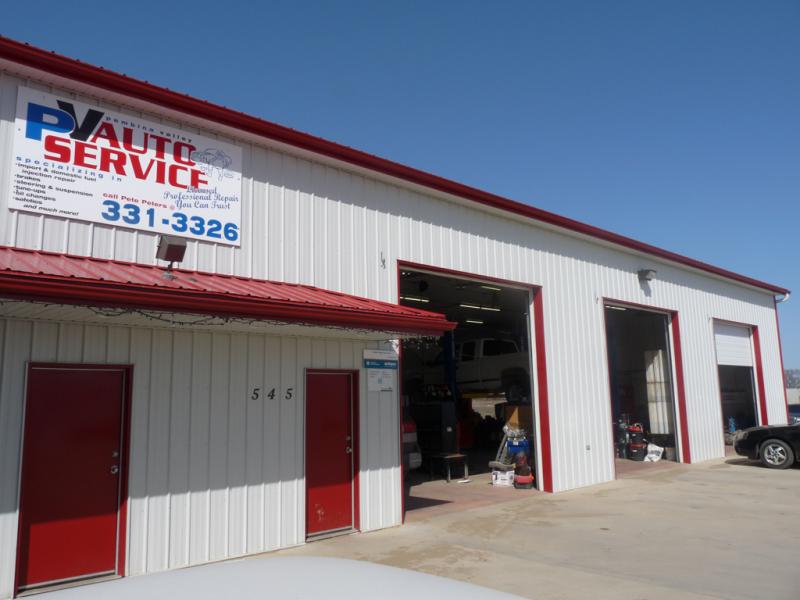
Pembina Valley Auto Service performs certified Manitoba safety inspections in-house for drivers in Winkler and surrounding communities, including Morden, Altona, Carman, and the wider Pembina Valley. Our licensed technicians use current diagnostic equipment and practical repair experience to assess the safety systems that matter on the road.
Whether you are preparing to transfer ownership, register a vehicle from outside Manitoba, maintain a fleet, or put a rebuilt vehicle back on the road, a proper inspection gives you clearer information and greater peace of mind.
Contact Pembina Valley Auto Service at 204-331-3326 or visit us at 545 Cargill Road, Winkler, MB to arrange your certified Manitoba safety inspection.